Recipes · Mexico 🇲🇽
Zingy Sweetcorn Relish
Sweet corn, crunchy peppers and a squeeze of lime — a bright, colourful relish to pile onto our slow-cooked carnitas. No complicated cooking required.
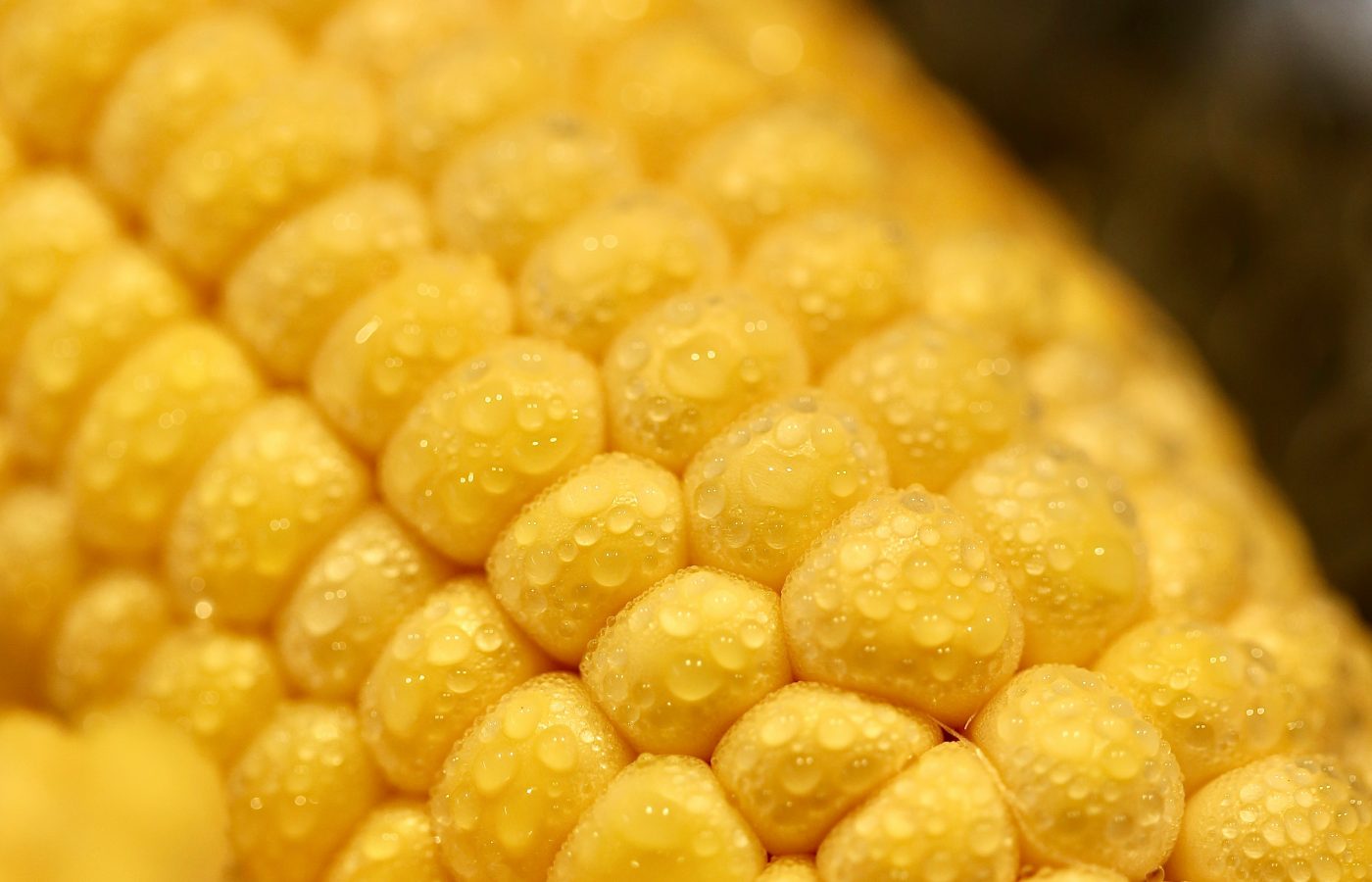
Our carnitas are rich, warm and crispy — so what should we put on top? Something fresh, crunchy, sweet and sour. We’re making a super-simple sweetcorn relish with juicy corn, colourful vegetables, lime and just enough spice to wake everything up. No complicated cooking required. Grab a bowl.
🧺 Pack your backpack
- 300 g sweetcorn, drained if using a tin
- 1 red pepper
- ½ small red onion · 2 spring onions
- 1 small tomato
- 1 lime · small handful fresh coriander
- ½ tsp ground cumin · ¼ tsp smoked paprika
- Pinch of salt · black pepper
🌶️ Optional explorer level
- ½ fresh chilli, finely chopped — or a pinch of chilli flakes
⚠️ Knife alert: take your time cutting the pepper, onion and tomato. Younger explorers should ask an adult to help.
The mini adventure begins
-
Meet your corn
Put the sweetcorn into a large bowl and taste one kernel. Don’t just decide whether you like it — think like a cook. Is it sweet? Juicy? Crunchy? Soft? Keep that taste in your head; we’re about to change it without really cooking it.
-
Build some colour
Cut the red pepper into small cubes, finely chop the red onion, slice the spring onions, dice the tomato and chop the coriander. Add everything to the corn, then stop and look at your bowl: 🌽 yellow, 🫑 red, 🌿 green, 🍅 bright tomato. Food doesn’t only have to taste good — we eat with our eyes too.

🔪 Knife Navigator · Sunny
Can you make everything roughly the same size?
We’re making a relish, so we don’t want one enormous piece of pepper followed by six tiny pieces of onion. Try to cut the vegetables into small, fairly even pieces — because every spoonful should contain a little bit of everything. This is called consistency, and professional cooks practise it constantly. Don’t worry about perfection: we’re making lunch, not performing vegetable surgery.
-
Wake it up
Squeeze the juice of one lime over the vegetables. Add ½ tsp cumin, ¼ tsp smoked paprika, a pinch of salt, a little black pepper — and chilli if you’re using it. Mix everything thoroughly.
-
Wait!
Yes — we’re asking you to do absolutely nothing. Leave the relish for about 10 minutes, then taste it again. Does it taste exactly the same as it did immediately after mixing? Probably not. Something has been happening while we waited.

🧪 Kitchen Science · Nori
Why does salt make vegetables release water?
Vegetables contain lots of water inside their cells. When we add salt, it changes the concentration of dissolved substances around those cells — and water can move across cell membranes in response to concentration differences. One important process involved is called osmosis. That’s one reason a salted vegetable mixture can become juicier while it sits. Look at the bottom of your bowl after ten minutes — can you see more liquid than before? You’ve just observed biology happening in your lunch.
🍋🟩 Kitchen Science · Nori
What does the lime do?
Lime juice contains acids, particularly citric acid, and our tongues detect acidity as sourness. That sourness is especially useful here because our carnitas are rich and fatty. Take a bite of pork by itself, then try pork with the limey relish — the second bite may seem fresher or lighter. The pork hasn’t changed; the combination has. That’s flavour balancing.

🌽 Ingredient Detective · Kombu
Is sweetcorn the same plant as our corn tortilla?
Yes — a brilliant little connection! The sweetcorn in our relish and the maize used to make our corn tortillas both belong to the species Zea mays. But they’re used very differently: sweetcorn is harvested while its kernels are still young, tender and relatively high in sugar, while maize grown for foods like masa is normally allowed to mature and dry. Same species, different varieties, different stage of harvest — completely different ingredient. One sits on top of our taco; the other holds it together.
🔢 Maths Mission · Sunny
Can you double the relish?
Six people are coming for dinner — then six more explorers suddenly arrive. Disaster! Our recipe uses 300 g sweetcorn, 1 pepper, ½ red onion, 2 spring onions, 1 tomato and 1 lime. How much of each do we need for twice the recipe? And what would we need if only three people were eating? You’ve just scaled a recipe using multiplication and fractions.
🥢 Taste like a cook
Is it balanced?
Now taste the finished relish — but don’t immediately add anything. Ask questions first: 🌽 is it sweet enough? 🍋🟩 can I taste the lime? 🧂 does it need more salt? 🌶️ do I want more heat? 🌿 can I taste the coriander?
Change one thing at a time, mix, and taste again. If you change four ingredients at once, you won’t know which change made it better — or worse. You’ve just discovered the idea of controlling variables.
🧪 Nori’s Experiment · Nori
Does lime change how sweet the corn tastes?
Before adding lime, save one spoonful of plain sweetcorn. Now compare A (plain sweetcorn) with B (sweetcorn relish). Which seems sweeter? Which tastes brighter? Which has more different flavours? Does adding something sour always make food simply taste more sour? Write down what you notice — sensory experiments don’t always have one correct answer.

🌎 Geography Stop · Bamboo & Twig
Maize began an enormous journey in Mexico
Maize was domesticated by Indigenous peoples in what is now Mexico thousands of years ago. From there it spread throughout the Americas and, following European contact, eventually around much of the world — today it’s one of the world’s major crops. But its story began with people selecting and cultivating a Mexican wild grass, generation after generation. We met that wild ancestor in our Corn Tortillas spotlight: teosinte. So this little bowl of relish connects straight back to one of the world’s great stories of plant domestication.
🌿 Coriander Mystery · Kombu
Why do some people think coriander tastes like soap?
Coriander leaves contain lots of aromatic compounds, some of them aldehydes — a family of chemicals that also includes compounds associated with soapy aromas. People differ in how strongly they perceive these flavours, partly because of differences in their smell receptors. So if somebody says “coriander tastes like soap!” they aren’t necessarily being difficult — their sensory system may genuinely experience it differently from yours.
Family experiment: ask everyone eating the relish — coriander: delicious, okay, or SOAP? Record the results.
🦠 Food Safety · Kombu
Fresh food still needs looking after
There’s no raw meat in our relish, but food safety still matters. Wash fresh vegetables before preparing them. Use a clean board and knife — not the board that held our raw pork. And once the relish is made, keep leftovers refrigerated. Fresh doesn’t mean bacteria-free.
🌮 Build the complete taco
Now we can finally put our Mexican adventure together. Start with a 🌽 warm corn tortilla, add 🐷 crispy Slow-Cooker Orange Carnitas, then 🌽 zingy sweetcorn relish, and finish with 🍋🟩 a squeeze of lime and 🌿 coriander (if you’re Team Coriander). Now take a bite: soft, crispy, juicy, sweet, sour, salty, spicy. That’s not an accident — we designed those contrasts.
⭐ Mini Adventure badges
🧾 Your expedition log
- My sweetcorn relish score: ___ / 10
- I thought the corn tasted: ______________
- After adding lime it tasted: ______________
- I am Team Coriander / Team Soap / Team Not Sure
- The vegetable I cut most evenly was: ______________
- The coolest thing I learned was: ______________
- Next time I would change: ______________
🚀 Where could we travel next?
One bowl of sweetcorn has taken us back to ancient Mexico, into plant domestication, through osmosis and even inside our noses. But maize has plenty more secrets — we could make corn tortillas from masa, investigate popcorn, compare different kinds of maize, or explore why a strange process called nixtamalisation made maize even more useful as food. For now, though: build your taco before somebody else eats the carnitas! 🌮