Eating Out · Netherlands 🇳🇱
Ice Cream Parlor Bastani, Eindhoven
Four flavours, two explorers and one very important question: can mango, blood orange or limoncello defeat chocolate?
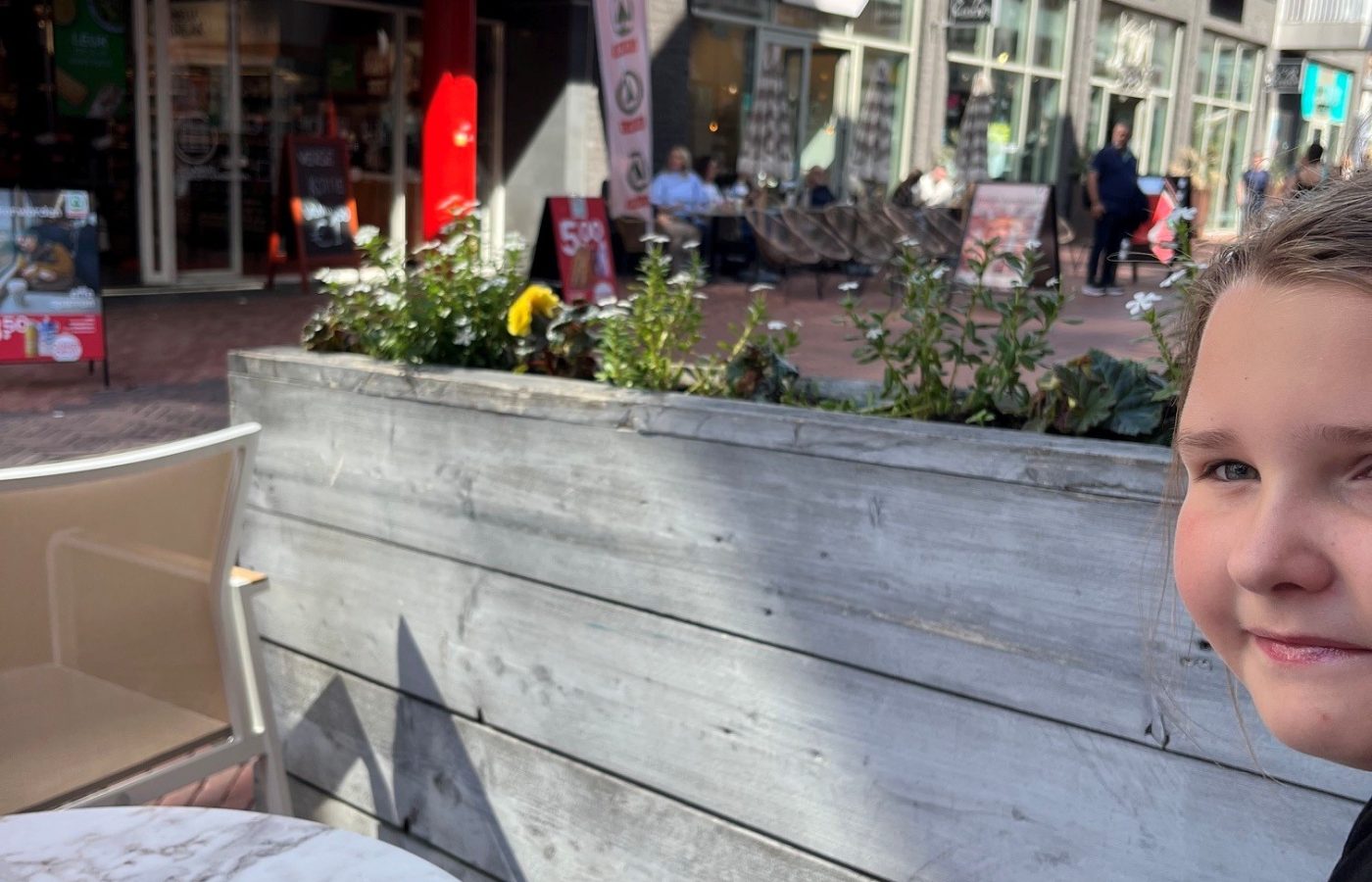
📍 Eindhoven, Netherlands · 🍦 Ice cream & sorbet · ⭐ 4 of 5
Sometimes a Food Adventure doesn’t happen in our kitchen — sometimes we find one while we’re out exploring. Yesterday we stopped at Ice Cream Parlor Bastani in Eindhoven for a very serious piece of research: ice cream tasting. Obviously somebody had to do it.
🍦 What did we choose?
Rachel went for 🍫 chocolate and 🥭 mango. Mummy chose 🍊 blood orange sorbet and 🍋 limoncello sorbet — giving us four very different flavours to investigate.
- 🍫 Chocolate — rich and deep
- 🥭 Mango — fruity and tropical
- 🍊 Blood orange — bright, citrusy and refreshing
- 🍋 Limoncello — sharp, lemony and wonderfully fresh
All four were delicious. But there could only be one winner.
🏆 Rachel’s winner: chocolate. Sometimes the classic choice really is the best.
👅 Taste like a food critic
Don’t just say “yummy”
When we review food, we try to work out why we like something. For ice cream and sorbet, think about: 👃 aroma — what can you smell? 👅 flavour — fruity, creamy, bitter, sweet, sour or rich? 🥄 texture — smooth, creamy, icy, soft or dense? 🌡️ temperature — does the flavour change as it warms? ⚖️ balance — is it very sweet, or does acidity or bitterness balance the sugar?
Our four scoops gave us brilliant contrasts: the chocolate was rich rather than refreshing, the citrus sorbets were bright and sharp, and mango sat somewhere in between. That’s why tasting several flavours side by side is much more interesting than tasting only one.
🧪 Kitchen Science · Nori
What’s the difference between ice cream and sorbet?
They might sit next to each other in the same freezer, but they aren’t the same thing. 🍦 Ice cream is normally made with milk and cream plus sugar and flavourings, so it contains milk fat and milk proteins; as it freezes it’s churned so tiny ice crystals form while air is worked in — giving that familiar creamy, smooth texture. 🍧 Sorbet is usually much simpler: fruit or fruit juice + water + sugar, with no milk or cream, so fruit flavours often seem particularly bright and refreshing without lots of dairy fat around them.
So Mummy’s blood orange and limoncello tasted very different from Rachel’s chocolate ice cream for a reason. They weren’t simply different flavours — they were different frozen-food systems.
❄️ Kitchen Science · Nori
Why doesn’t ice cream freeze into a solid brick?
Put plain water in a freezer and it becomes hard ice — so why can we scoop ice cream? One important ingredient is sugar. Dissolved sugar lowers the temperature at which the water in the mixture freezes — this is called freezing-point depression — so not all of the water turns into solid ice at the same temperature. Fat, proteins, air and the size of the ice crystals also help decide the final texture. So sugar isn’t there only to make our dessert sweet — it’s doing food chemistry too.
🔬 Nori’s Frozen Experiment · Nori
Which melts fastest?
Next time you have both ice cream and sorbet, put one small spoonful of each into separate dishes at the same time. Don’t eat them — not yet! Watch what happens: after 2 minutes, what has changed? After 5? Which becomes liquid first? Do they melt in exactly the same way? Write down what you observe — you’ve just turned dessert into an experiment.
Important: once your experiment has sat around warming up, don’t refreeze it for later. Use fresh, properly stored ice cream for eating.
🍊 Ingredient Detective · Kombu
What is a blood orange?
A blood orange really does have darker flesh than an ordinary orange — some varieties are streaked with red, others become a deep crimson. The colour comes from plant pigments called anthocyanins, members of a large family of colourful compounds found in plants. You’ll also meet anthocyanins in 🫐 blueberries, 🍒 cherries, 🍇 dark grapes and 🫐 blackberries. So Mummy’s blood orange sorbet was hiding some plant chemistry beneath that beautiful colour.
Ingredient Spotlight coming soon: Blood Orange 🍊

🗣️ Language Stop · Bamboo & Twig
What does limoncello mean?
Limoncello is an Italian lemon liqueur traditionally associated with southern Italy, and its name comes from the Italian word limone — lemon 🍋. So although we were eating our sorbet in the Netherlands, one flavour sent us travelling towards Italy. That’s something we’ll discover again and again on Food Adventures: the place where you eat something, and the place its story leads you, aren’t always the same place.
🌍 Geography Stop · Bamboo & Twig
Where were we?
Our ice-cream expedition took place in Eindhoven, a city in the south of the 🇳🇱 Netherlands. Find the Netherlands on the map, then find Eindhoven — and see how close it is to Belgium. But our four flavours can take our map much further: 🍫 chocolate → the story of cacao begins in the Americas; 🥭 mango → strongly connected with South and Southeast Asia; 🍊 blood orange → particularly associated with the Mediterranean; 🍋 limoncello → Italy. One ice-cream stop, several possible journeys around the world.
🔢 Maths Mission · Sunny
The Great Scoop Survey
Four flavours entered our competition: 🍫 chocolate, 🥭 mango, 🍊 blood orange and 🍋 limoncello. Ask 10 people which they would choose, keep a tally, then calculate what percentage chose each flavour. Did chocolate win your survey too — or has Rachel made a terrible statistical error? There’s only one way to find out.
⭐ Rachel’s verdict
⭐⭐⭐⭐☆ — 4 out of 5. The flavours were delicious, and we loved trying completely different combinations. Blood orange and limoncello were wonderfully refreshing, mango brought the tropical fruit, and chocolate gave us that rich, creamy contrast. But after all our careful research… 🍫 chocolate won. We would definitely come back.
🏅 Food Stop badges
🧾 Our expedition log
- Where: Ice Cream Parlor Bastani, Eindhoven
- Rachel tried: chocolate & mango
- Mummy tried: blood orange & limoncello sorbet
- Our score: ⭐ 4 / 5
- Best flavour: 🏆 chocolate
- Would we return? Yes!
🚀 Where could this Food Stop take us next?
We started with four scoops in Eindhoven and somehow discovered freezing-point chemistry, milk proteins, fruit pigments, Italy and the history of cacao. There are plenty of trails to follow: we could make our own fruit sorbet, investigate blood oranges, discover where chocolate really comes from, or find out why ice crystals decide whether frozen desserts feel silky or gritty. Apparently even stopping for ice cream can turn into an adventure.